The first hour of any backcountry trip isn't on the trail. It's somewhere quieter — a kitchen table, a desk, the floor of a garage with gear spread out. It's the slow process of running the trip in your head before you run it with your feet. The route study. The forecast check. The conversation with the person who'll be at home. The mental rehearsal of a trip you haven't taken yet.
That's trip planning. Not the bureaucratic version that lives on a clipboard, but the actual practice — the thinking you do in advance so the version of you in the field has more of what they need.
If you spend much time in the backcountry, you've already met both kinds of people. The ones whose trips feel deliberate, who seem to anticipate things instead of reacting to them, who treat preparation as part of the experience. And the ones whose trips have a thrown-together quality, who improvise at the trailhead, who get surprised by sundown. The difference between them isn't gear, experience, or fitness. It's the work that happened — or didn't happen — before they left the house.
This post is about that work, and what it's actually for.
The plan is for your future self
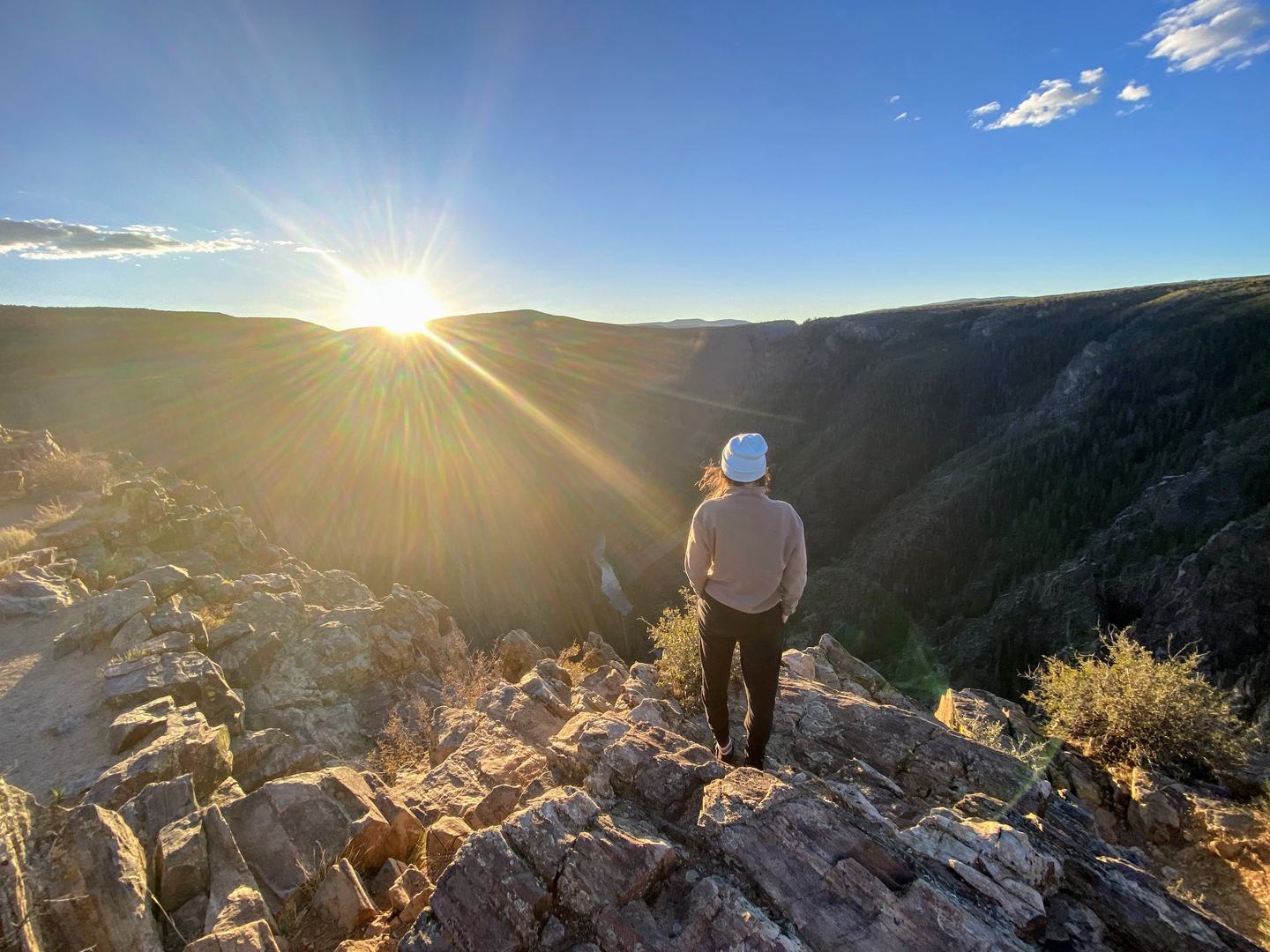
When you're at the trailhead feeling rested, fed, with all the time and headspace in the world — you have it easy. When you're four hours in — gauging pace against daylight, weighing whether to take the spur to the lake, watching clouds build over a ridge — things can end up going sideways quickly.
Trip planning is the work you do in advance so that when you're in the field, you have more of what you need. Understanding the route will give you a feel for the timing — a picture of what the day actually looks like. Decisions already made before the moment forces them, make all the difference.
Most of those pre-made decisions are small. Where you'd want to be by lunch. What the bailout looks like if a section turns out slower than expected. When the light starts to fade and you'd rather already be on the descent. A few of them are bigger — what triggers a turnaround. All of them are easier to make at the kitchen table than at the moment they matter.
The decisions aren't the whole of it, though. The bigger gift you give your future self is context: knowing what kind of day this is, what the terrain is going to ask of you, what landmarks tell you you're on or off the line you intended. Planning isn't about predicting the trip — it's about being prepared to recognize it as it happens.
Risk anticipation is not risk avoidance
A common misread of trip planning is that it's about being scared of the backcountry. It isn't. The backcountry doesn't reward fear. It rewards preparation, attention, and the ability to respond to what's actually in front of you instead of what you wished was in front of you.
Planning is the act of converting unknown unknowns into known unknowns. You can't predict every variable — but you can know which variables matter, and you can have a sense of where they're likely to land.
Your route has water sources marked on a map; you check whether those are reliable for the season. The forecast says fair through Sunday; you read the discussion to see what the forecaster is less confident about. A trip report from August says the creek is an easy crossing; you note that you'll be there in May after a heavy winter. None of this is paranoia. It's just doing the homework on a trip that's about to ask you to perform.
The payoff isn't that nothing surprises you. The payoff is that when something shifts — the wind climbing faster than the forecast suggested, a creek higher than expected, a group member whose pace has dropped — you recognize it as a known variable instead of a surprise. You react. You don't panic.
That's the whole game. Not zero risk. Recognized risk.
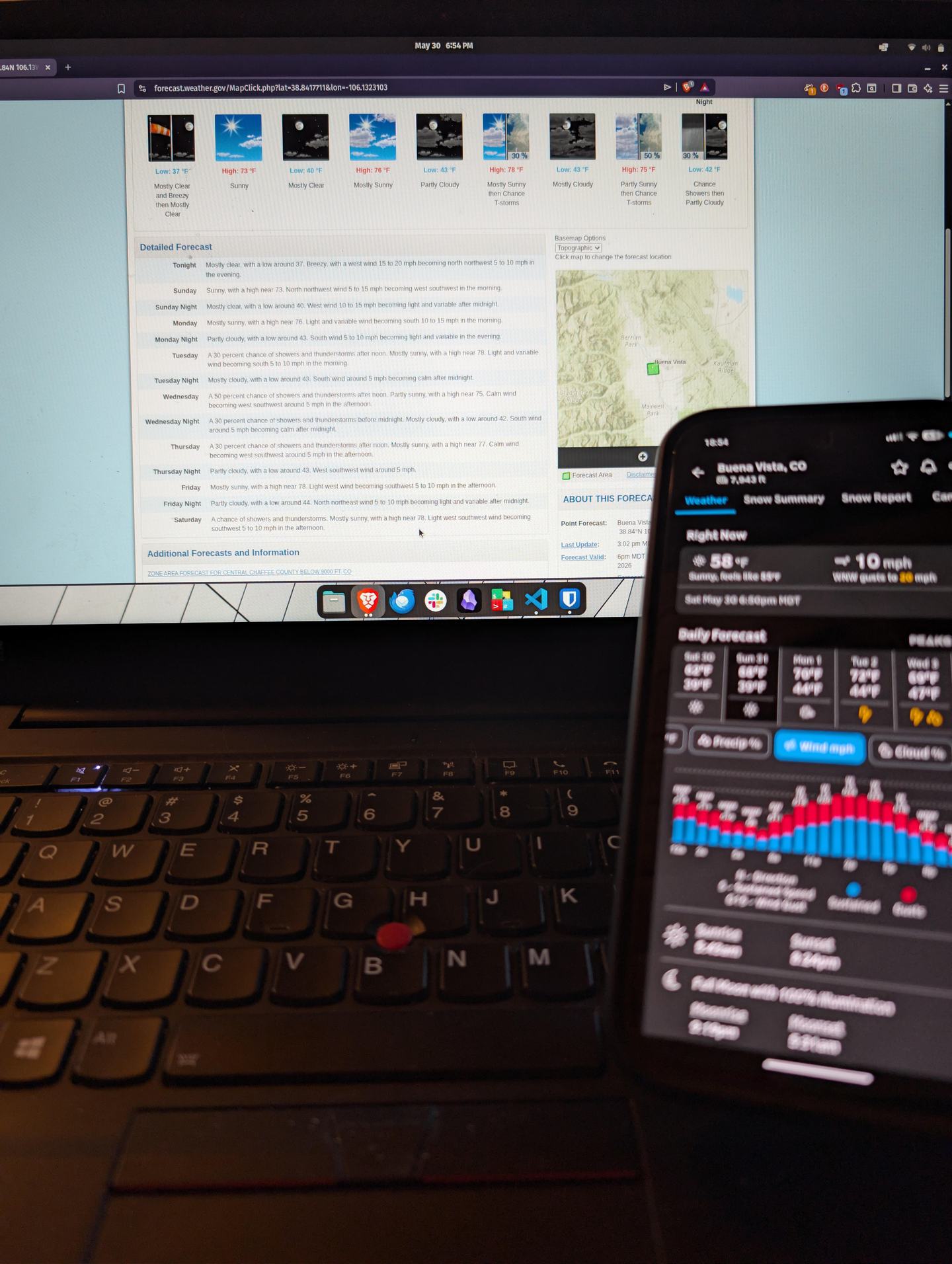 Knowing the variables before the trip is what lets you respond when one shifts.
The plan is shared, not stored
A plan only you know about helps you survive. A plan that someone else knows helps everyone — including the people who would have to find you if things went very wrong.
The person at home isn't an afterthought to the trip. They're part of it. They're the one who knows when you were supposed to be back, who notices when you're not, who eventually places the call for help. The earlier and clearer the information they have, the better every part of that goes — for you, and for the search and rescue volunteers who would be asked to come look.
A plan only you know about helps you survive. A plan someone else knows helps everyone.
What "the plan" actually contains, at a minimum: where you're going, your intended route, when you expect to be where, when to expect a check-in, what should make them worried, and who to call if that time ever comes. It doesn't have to be elaborate. It does have to be findable when it's needed.
There are many ways to handle this — a text message, an email, an app, a paper copy on the kitchen counter. The trip portfolio on this site is one option; it consolidates the route, timeline, check-ins, and emergency contacts into a single view your contact can open without an account. Use whatever fits your trip. But use something. The plan you don't share is a plan that only works if you come back on schedule.
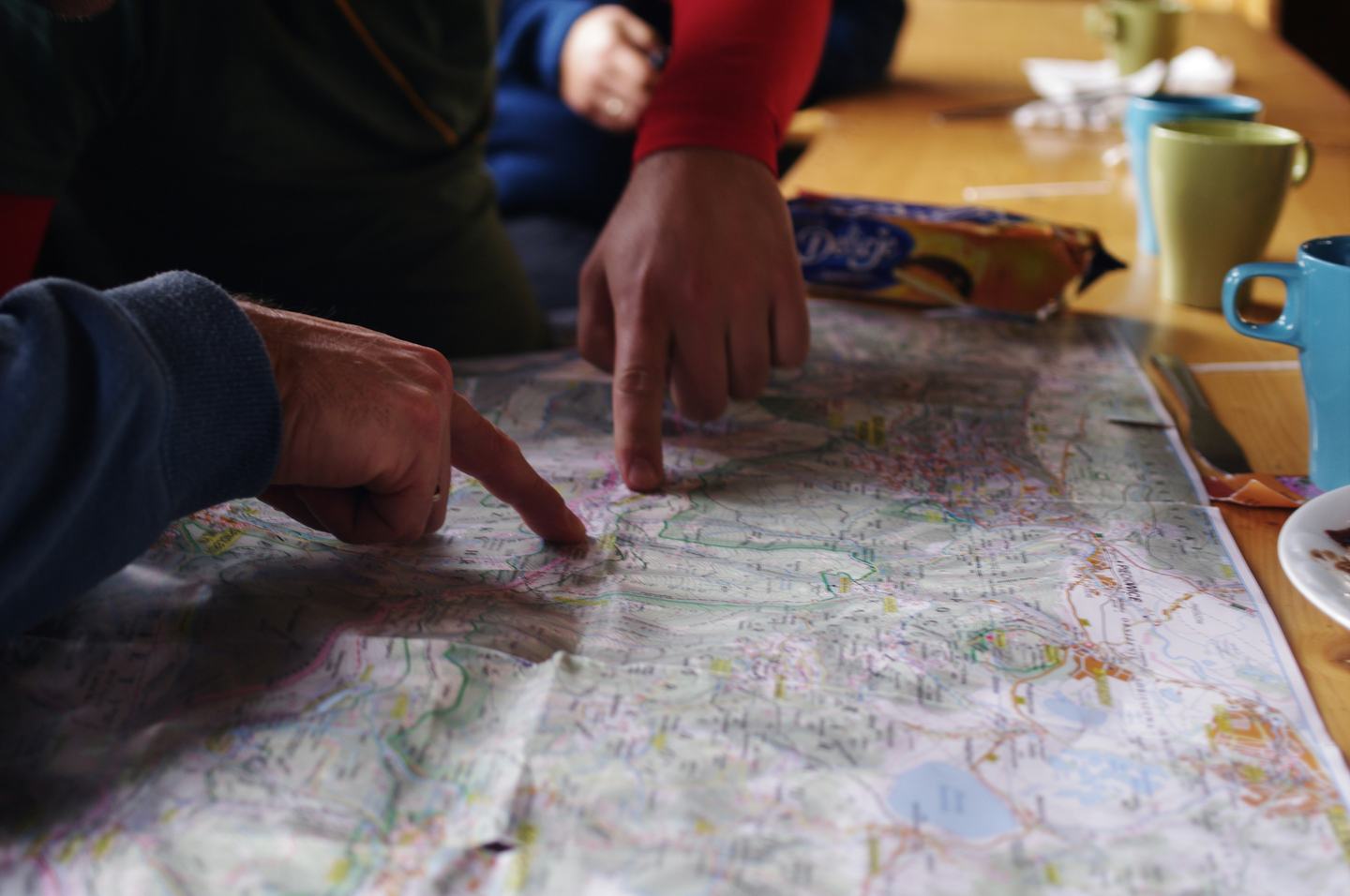 The person at home is part of the plan, not an afterthought to it.
Good plans bend; rigid plans break
A plan you can't change isn't safety. It's a trap.
The most useful plans set the framework for decisions you'll make in the field — turnaround criteria, condition triggers, contingency routes — rather than scripting a day you have to follow regardless of what's actually happening. The point is to give yourself a tool, not a contract.
"We turn around at 1pm regardless" is a planning decision. "We'll see how it feels" isn't. The first one made a pre-commitment that protects your future self from the slow erosion of judgment that happens when you're tired, close to the goal, and tempted to push. The second one left the whole decision for the moment you're least equipped to make it.
Conditions don't owe you the trip you planned.
Good plans shine where the decision has already been made. Bad plans assume the day will unfold the way you imagined it. Most backcountry days don't.
The other thing good plans do is leave room to be abandoned. Conditions don't owe you the trip you planned. A plan that gets thrown out at the trailhead because the weather turned isn't a failure — it's the plan working. The point of all that preparation was never to force the day. It was to make sure you could read it.
Preparation is the first hour of the trip
The self-sufficiency the backcountry rewards isn't something you summon at the trailhead. It's loaded in advance.
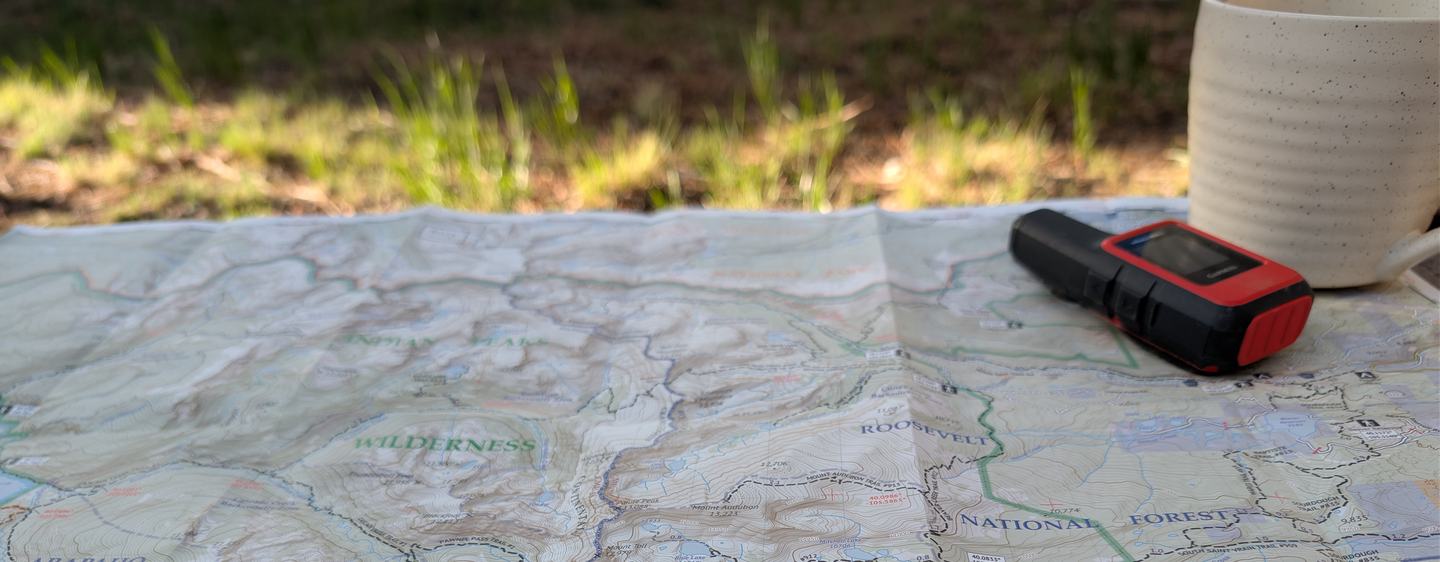
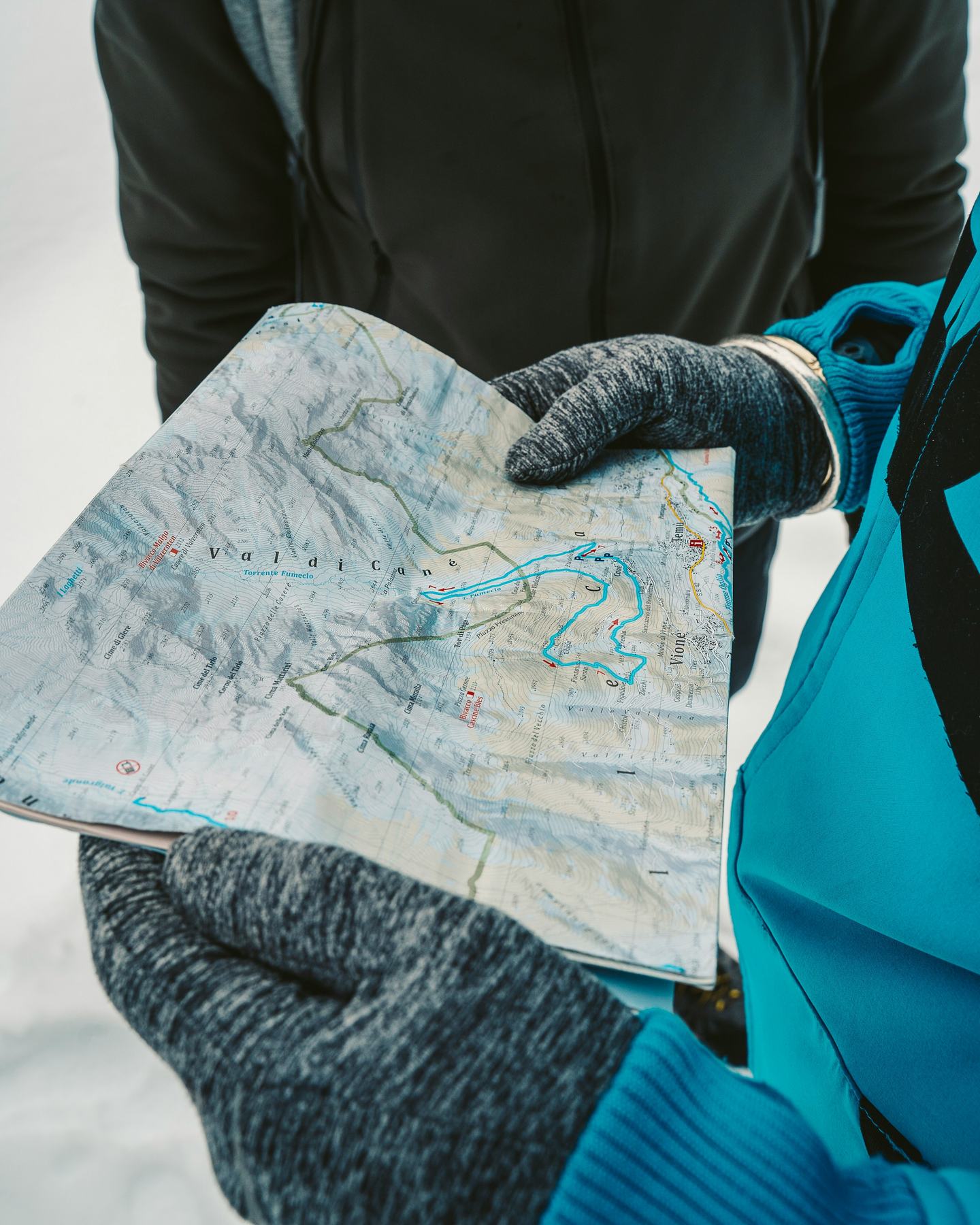
The maps you've actually looked at. The forecast you've actually read. The route you've actually traced. The gear you've actually packed instead of assumed you packed. The check-in you've actually arranged with the person at home. None of this happens at the trailhead. The trailhead is too late.
This is the thing the principles above all share: they aren't about the field. They're about the hour at the kitchen table the night before, the conversation you had with your partner that morning, the moment you re-read the forecast over coffee. By the time the truck door closes, the work is done — or it isn't.
That's also why planning gets easier the more you do it. Not because the trips get simpler, but because the habits build. After enough trips, the kitchen-table hour becomes automatic. The questions become reflexive. The version of you who used to scramble for information at the trailhead doesn't show up anymore.
This is what good planning is for
Trip planning isn't paperwork. It isn't fear. It isn't a script you're obligated to follow. It's the mental rehearsal that lets you participate in a trip instead of being run over by it.
It's what makes the hard moments survivable and the good ones more present. It's what gives your future self decisions already made, variables already named, and a contact at home who knows where to look. It's what makes you the kind of party Search and Rescue doesn't have to go looking for — and the kind that knows how to make the call if they do.
If you've got a map you've actually read, a forecast you've actually checked, and someone who knows you're coming back — the trip already started.